
Cape Cross to Namib-Naukluft, April 2022
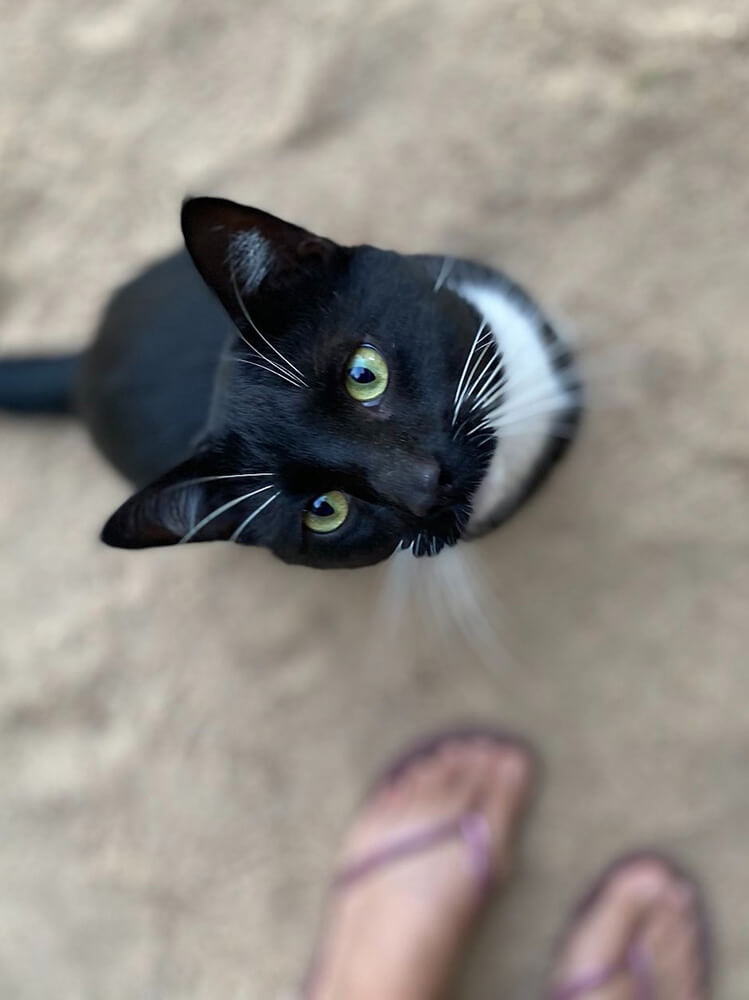
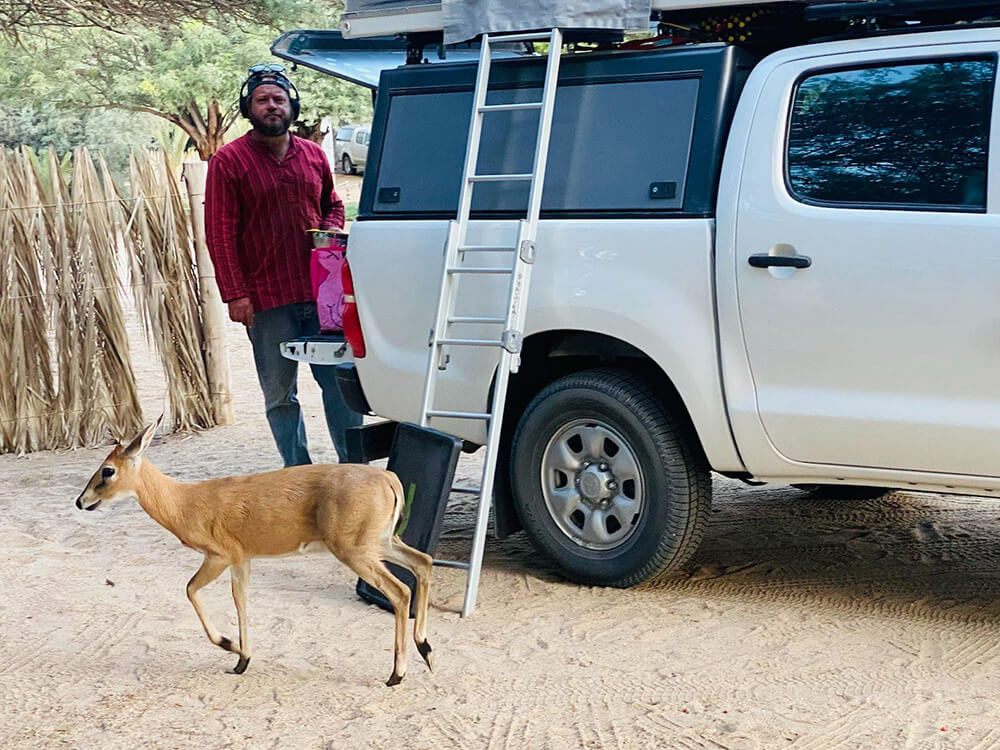
Once the long weekend crowds have dispersed we head down to Swakopmund for our Namib-Naukluft National Park permits and head out into the northern area of the national park on the famous Welwitschia Drive. We camp for the night at Goanikontes Restcamp where we are entertained by a black cat and a tame but slightly pushy duiker for the evening.
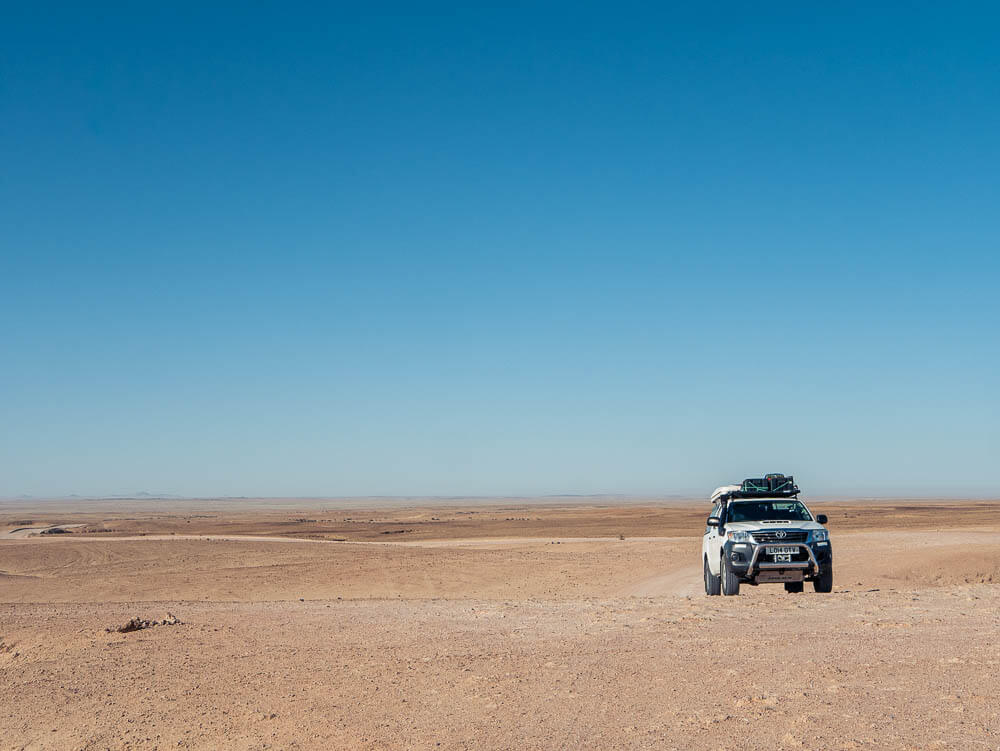
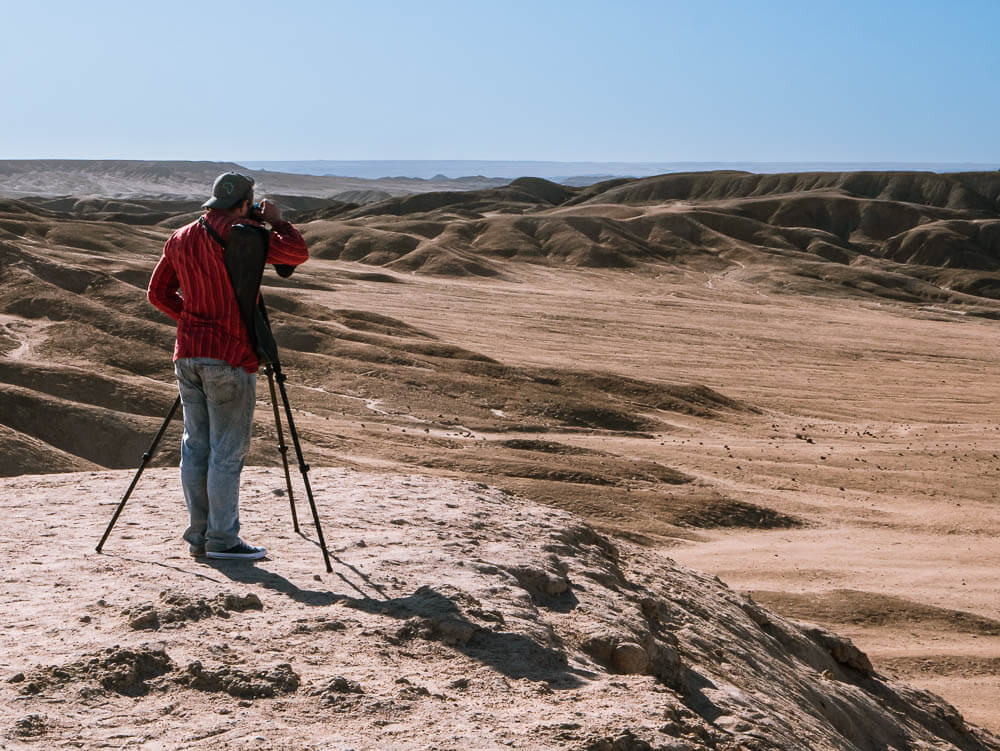
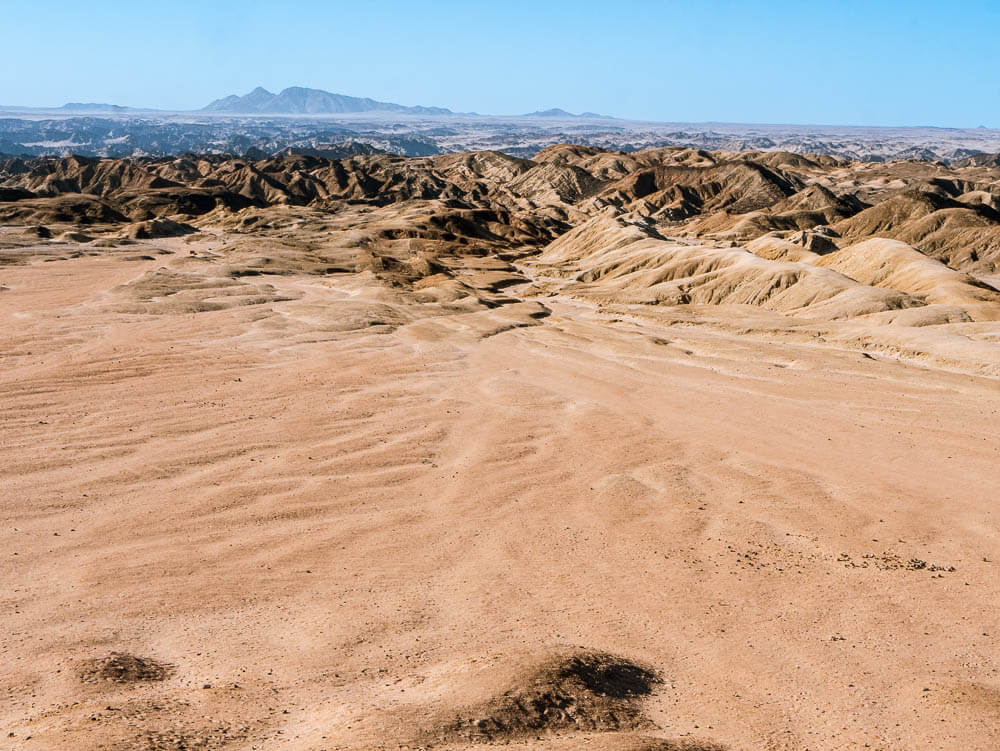
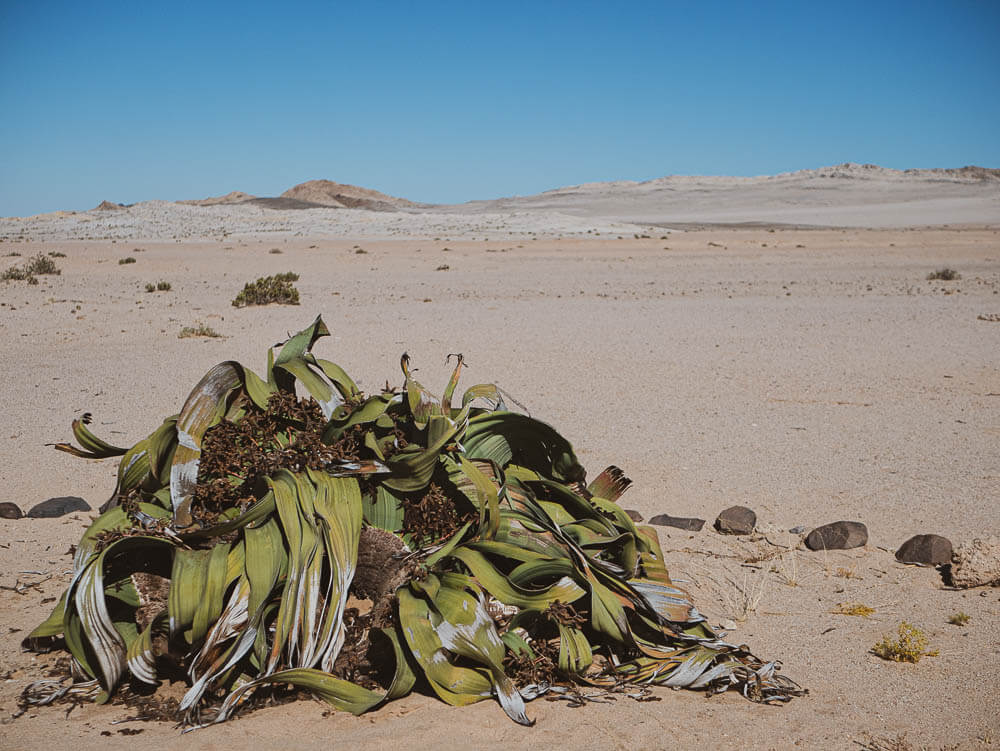
Believe it or not, there is yet another completely unique and barren landscape stretching to the horizon to discover. There sure is a lot of horizon in Namibia. We drive past age-old cart tracks and lichen playing dead in the hard-baked earth. Granite peaks with dolerite veins crenalated by ages old glaciers and the ancient meanderings of the Swakop River make us feel like ants staring at the infinite in front of us. Welwitschia plants are huge and dotted all over the plain. Our final siting on the drive is a large welwitschia in the middle of the land beyond the dolerite walled valleys. It is a massive example of the plant and thought to be 1,500 years old. I wonder whether scientists have discovered an elixir of life from the plant yet or even whether they have looked.
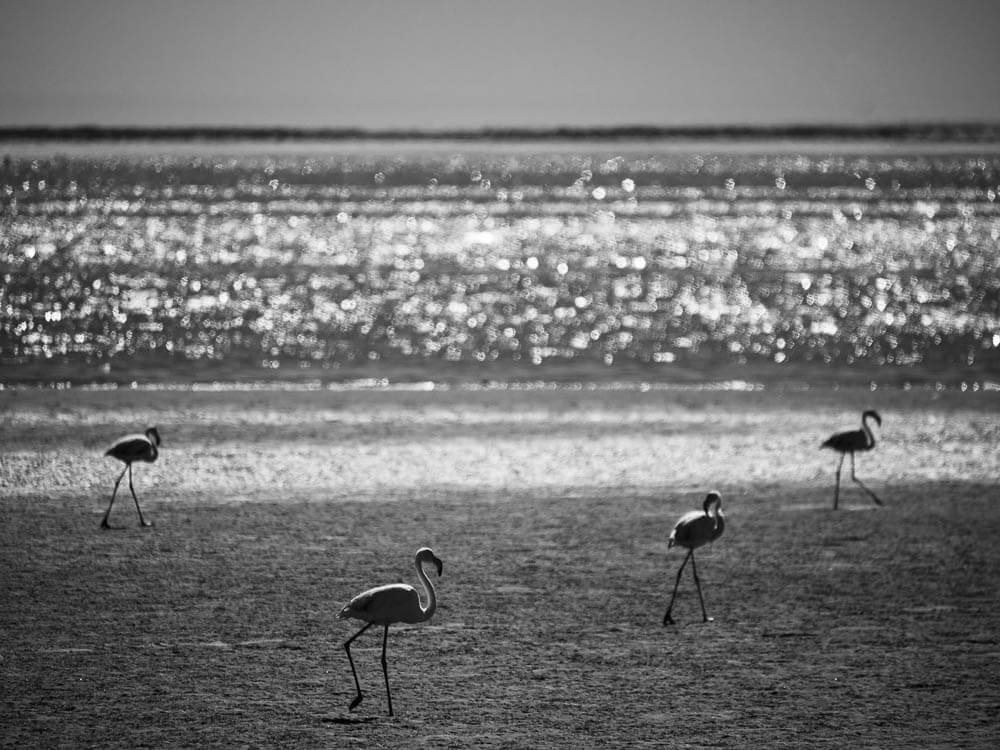
We head back via Walvisbaai rather than an uncertain back route through the desert. We are lucky we took this route because when we get to the fuel station I notice that the rear left tyre is very flat. On taking it to the tyre repair shop we’re told that it’s because of a nail in the tyre. We are very proud of our BF Goodrich Urban tyres as they’ve survived mud, sand and desert so far. The only thing which has affected them to date is a metal nail which is removed and the hole quickly patched. The tyre repair shop owner isn’t as impressed with the tyres and says that we should be using Africa composite all terrains, especially in the heat, but we’re happy with our alternative for now. As we head out of Walvisbaai, we spot the local flamingoes in the afternoon light.
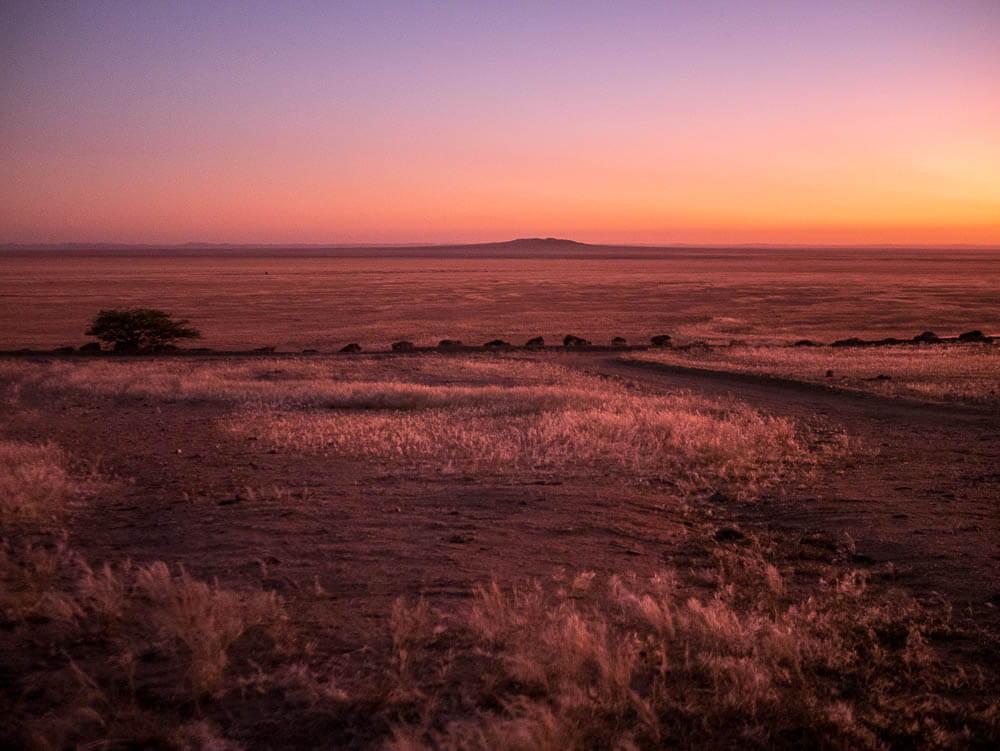
Back onto the open road and we’re heading for Mirabib campsite. Kirsty, after some research, bought a permit from the NWR office in Swakopmund yesterday for us to stay at the isolated wild camping spot. Mirabib is a granite koppie (small hill) lost in the expanse of grasslands and sands of the Namib Desert. It is one of the last more accessible places of the Namib-Naukluft National Park. A few more kilometres south are the small locales of Gobabeb and Homeb, the final signs of human existence before the oldest sand dunes in the world begin to rise, stretch and sough towards the Atlantic Ocean undulating along the Triassic coastline. As fixed in time by ancient winds as the mercurial waves of the ocean. The ancient dunes are stopped from progressing north by the Kuiseb River. The river’s waters do not often finish their approach to the Eastern coastline due to the ancient battle with surrounding red dunes. East of the autumn grasslands is the Kuiseb Canyon Pass which steps up in ever-increasing thrusts of jagged sedimentary pyramids. The Naukluft mountain range forms the eastern border of the Namib-Naukluft National Park.
Mirabib campsite is everything we were hoping for. Driving out to the secluded spot is easy going on the gravel road although the last few kilometers get a little bumpy. We pass a lonely looking springbok, a proud oryx and some excited ostrich. The campsite is basic with about six available pitches all set around the granite outcrop. The pitches are spaced far apart from each other. You can choose the best campsite based on the time of year and whether you want sunset or sunrise. Facilities for each pitch are a concrete table and benches, a concrete fire place and a long-drop bush latrine. Watch out for snakes in the bush latrine.
We light a campfire and sit under the impossibly clear southern African skies. A ledge of granite hangs over us dancing in amber shades from the fire next to the line of Orion’s Belt. There aren’t any ancient rock paintings to be seen but we easily imagine neolithic hunter-gatherers setting up temporary camp underneath the same rock. We wonder why all of the San and Bantu rock paintings we have seen to date are of only people, animals and tools. No sign exists in ancient southern African rock art of a fireplace or a star constellation. Maybe the ancient people saw no need to document something as eternal as the sky.
Locusts with the expanse of the palm of your hand are everywhere in the night-time. Any glimmer of light in this desert such as the fire attracts them en mass and a scream of fear rips from our lips every few minutes when a hard exoskeleton hits us, most often on the face as we’re using headlamps. We put a stronger light on a few metres away and this appears to draw the leaping automatons away from us. They bounce off of the cavern wall instead making shadows of nightmares in the lure of the light.
The next morning we head back up the same road past the excited ostrich, the still proud oryx and the surprisingly happy but lone springbok lost in the enormity of the Namib plains. Instead of taking the left back to Walvisbaai we turn right and head for the most westerly route which will take us to the bottom of the national park and Sossusvlei.
 The Colour of Travel
Leave a comment