
Caprivi Strip to Tsumeb, April 2022
And we’re off onto the open road! We are now in Namibia proper and have thousands of kilometres ahead of us to travel. The radio, music & landscapes become our prime source of entertainment. A real road trip.
A brief stopover in Rundu to have the wheels aligned, fill up with fuel and grab a supremely tasty hot-dog from the Rundu Total fuel station. A foot-long bun with all the sauces, fried onion rings and the African version of a sausage. The sausage acts as a half-way house between a russian, a vienna and various ends of various beings. The sauces are a mixture of real tomato base, glow-in-the-dark mustard, a liquid cheese and chilli sauce. Good stuff! We soon learn on the trip that the past German colonial influence has also left its mark on Namibia in its meats. One of the very few non-destructive influences of that time. African flair is added to the broiled fleisch in the hot sauces and tangy garnishes.
The trip to Tsumeb takes much of the day. We pass through Grootfontein and unfortunately have to miss out on seeing the Hoba meteorite because we’re tired and still need to find a camping spot. The Hoba meteorite is the largest known piece of rock/metal from outer space on the surface of the planet. It weighs more than sixty tonnes.
In Tsumeb we find another perfect admin stop-over at the Kupferquelle Resort (I have no idea how to pronounce it). Rolling green lawns and an olympic sized swimming pool make camping a pleasure. There is a small supermarket next to the resort with more in stock than all the shops we’ve seen combined so far. The shop has a good butchery and does take-away meals. The sosaties (kebabs) and sosatie boerewors from the butcher are excellent. The chicken schnitzel burgers from the take-away section are delicious. There are cheaper supermarkets in Tsumeb town for larger shopping expeditions but we enjoyed the convenience of walking a couple of minutes over to the shop for a burger or braai meat.
The stay in Tsumeb becomes a few days because the rains are coming in again and we want to give Etosha National Park some time to dry out. Plus the Hilux needs it’s regular service and there is a highly recommended mechanic in town.
The wet days are spent catching up on reading and sorting the Hilux out as much as possible. The first priority is to wash the car and then polish it to protect it from the harsh African sun. We then take the vehicle to have the wheel balancing checked again as the car was pulling to the left on the way down and we are unsure whether the Rundu tyre place did a good job. Apparently the wheels are fine and we were just experiencing the slightly higher camber on Namibian tarred roads.
Namibian roads are something else to experience. After driving through Zimbabwe and Botswana’s rutted, corrugated and pot-holed roads Namibia comes as a real surprise. The tarred national roads are almost pristine and the gravel roads are a new experience entirely. There were two major road projects in the past in Namibia. The first is the TransKalahari highway connecting Walvisbaai (Namibia) to Pretoria (South Africa) via Botswana. The second is the TransCaprivi highway which connects Walvisbaai to land-locked Zambia and then DR Congo via the Caprivi Strip. We didn’t drive the TransKalahari at all. We did however drive on a lot of gravel roads and they were so good you could have mistaken the driving experience for tarred road. Of the 48,000 kilometres of road network in Namibia less than 10 percent is tarred. The gravel roads we drove on in every part of the country were well maintained and I wonder whether other countries might learn from the Namibian example that unpaved roads are easier to maintain and a lot cheaper. Unpaved roads are also presumably better for the environment and climate change with the absence of tar and concrete. Some might argue that this is possible in Namibia because of the low rainfall and they might be right but the gravel roads on the northern border of the country were just as good as the roads in the Namib Desert down South.
We take the Hilux in to Executive Auto Repairs who turn out to be real pro’s. Our plan was to maintain and service the Hilux ourselves but after realising the relatively lower costs involved in southern Africa for a professional to do it for you we opted for that. It can only save money in the future. It’s not a difficult job to change the fuel, oil, air and cabin filters yourself, check the fluids and do some general checks on drive belt, suspension etc. It is however nice to have an experienced person who knows southern African conditions change the oil and re-grease the axles plus keep an eye out for any tell-tale signs that we might have missed without the hydraulic lifts. It’s also an opportunity to look at the underside of the car yourself if you ask nicely.


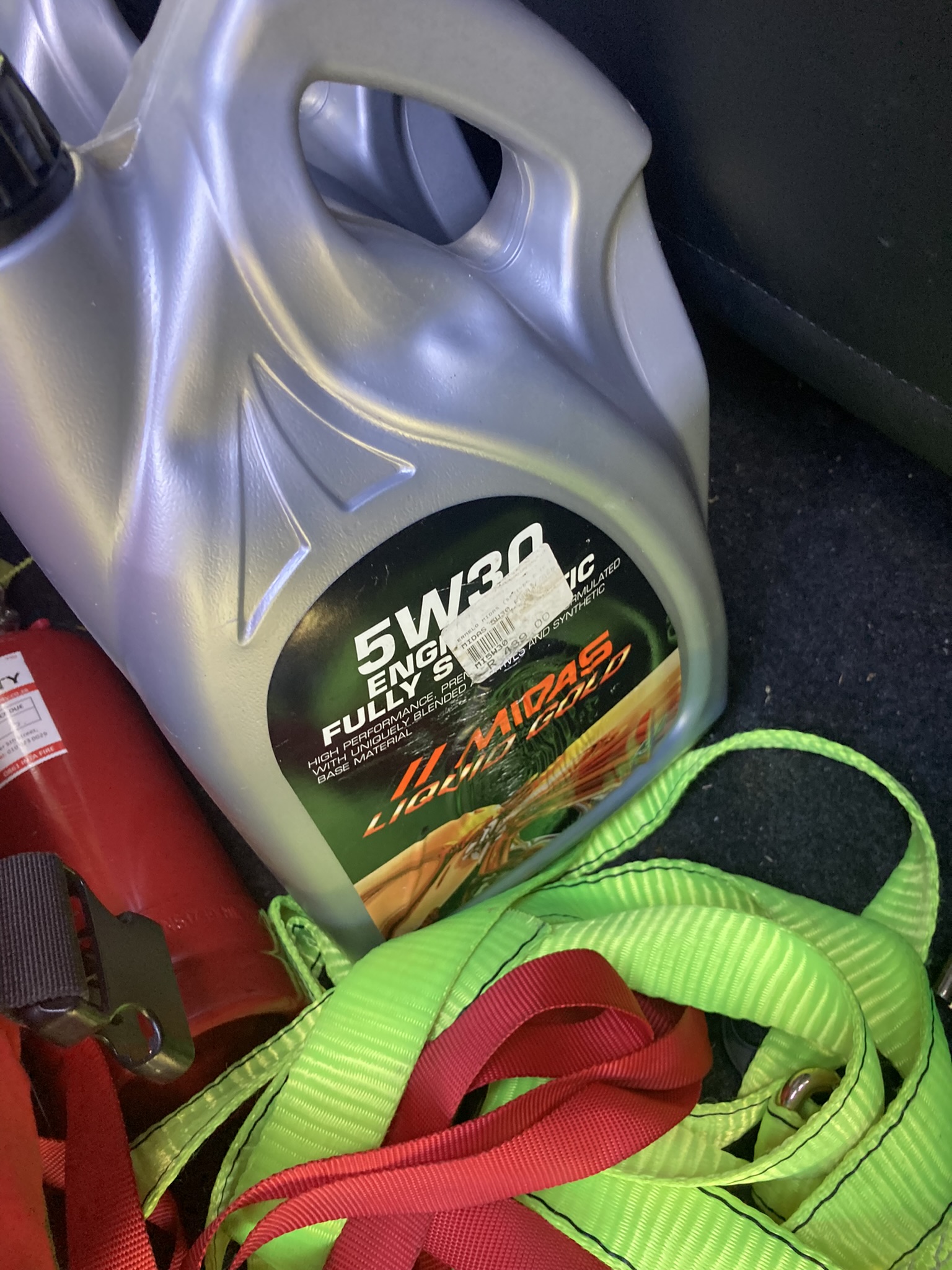
The service at the mechanic is top-notch and we get a clean bill-of-health on the Hilux. Yes!
There is also a decent shopping mall in Tsumeb with clothing/shoe shops and a Pick ‘n Pay supermarket if a restock is required. I also pick up my first of three rabies shots that I wasn’t able to get in South Africa. Rabies shots aren’t marked as required when travelling in southern Africa but we placed them in the good idea column as it gives you a few more hours of breathing space in between being bitten and getting medical treatment.
 The Colour of Travel
Leave a comment